Downtown Flagstaff real estate: the historic core, the neighborhoods south of the tracks, and the quiet streets north & east
If you're looking at real estate in Flagstaff, the area people loosely call "downtown" actually covers quite a bit of ground, and the differences between one block and the next matter more than most online listings suggest. This guide is meant to give you an honest picture of what it's like to live here, not just what it looks like in a photo.
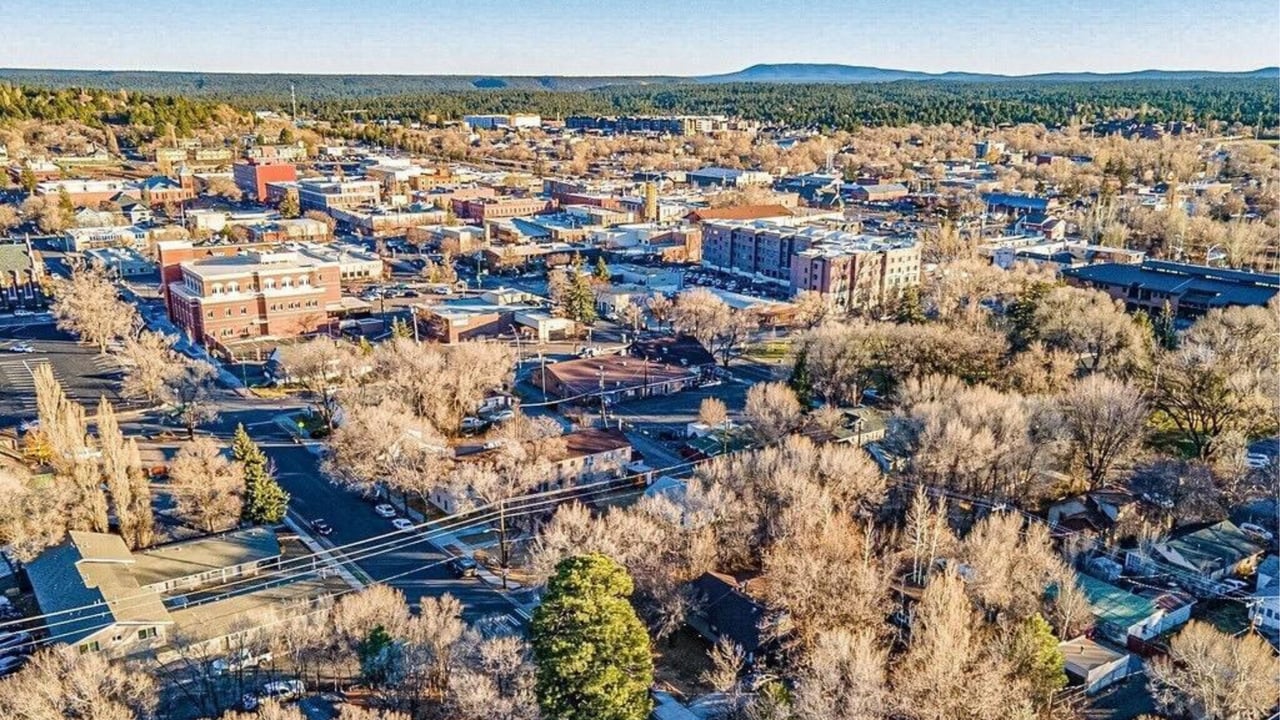
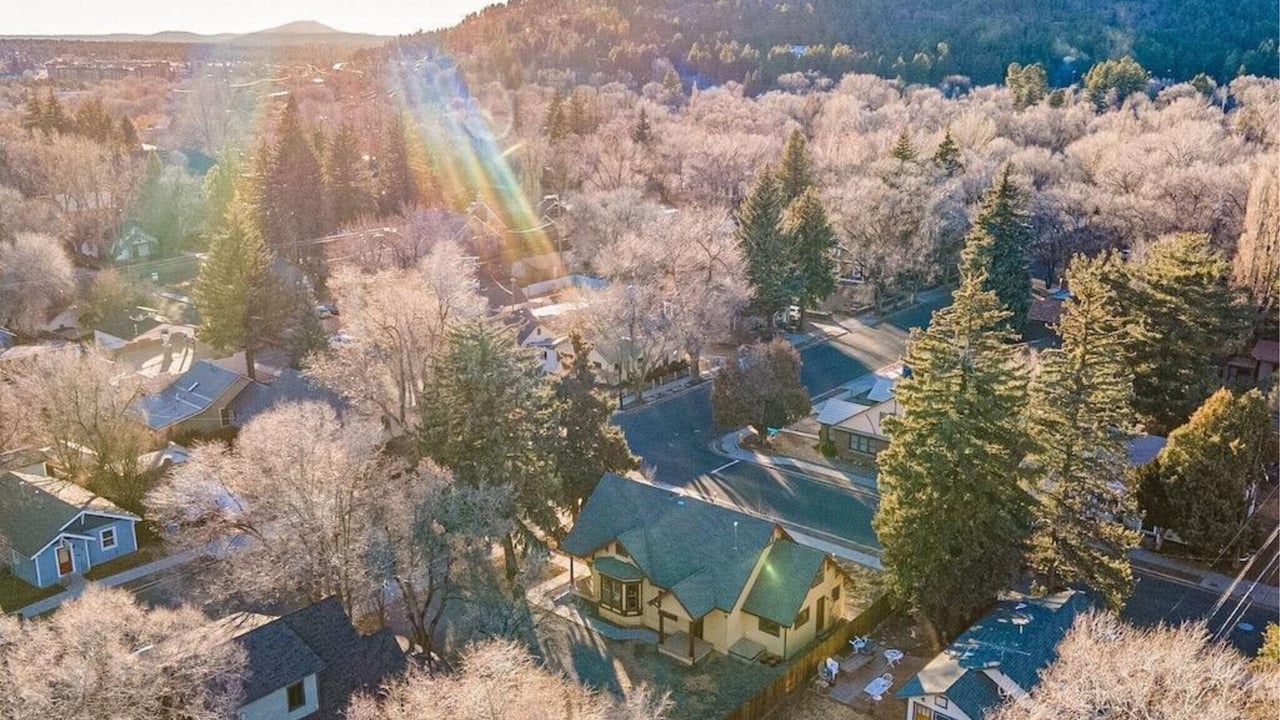
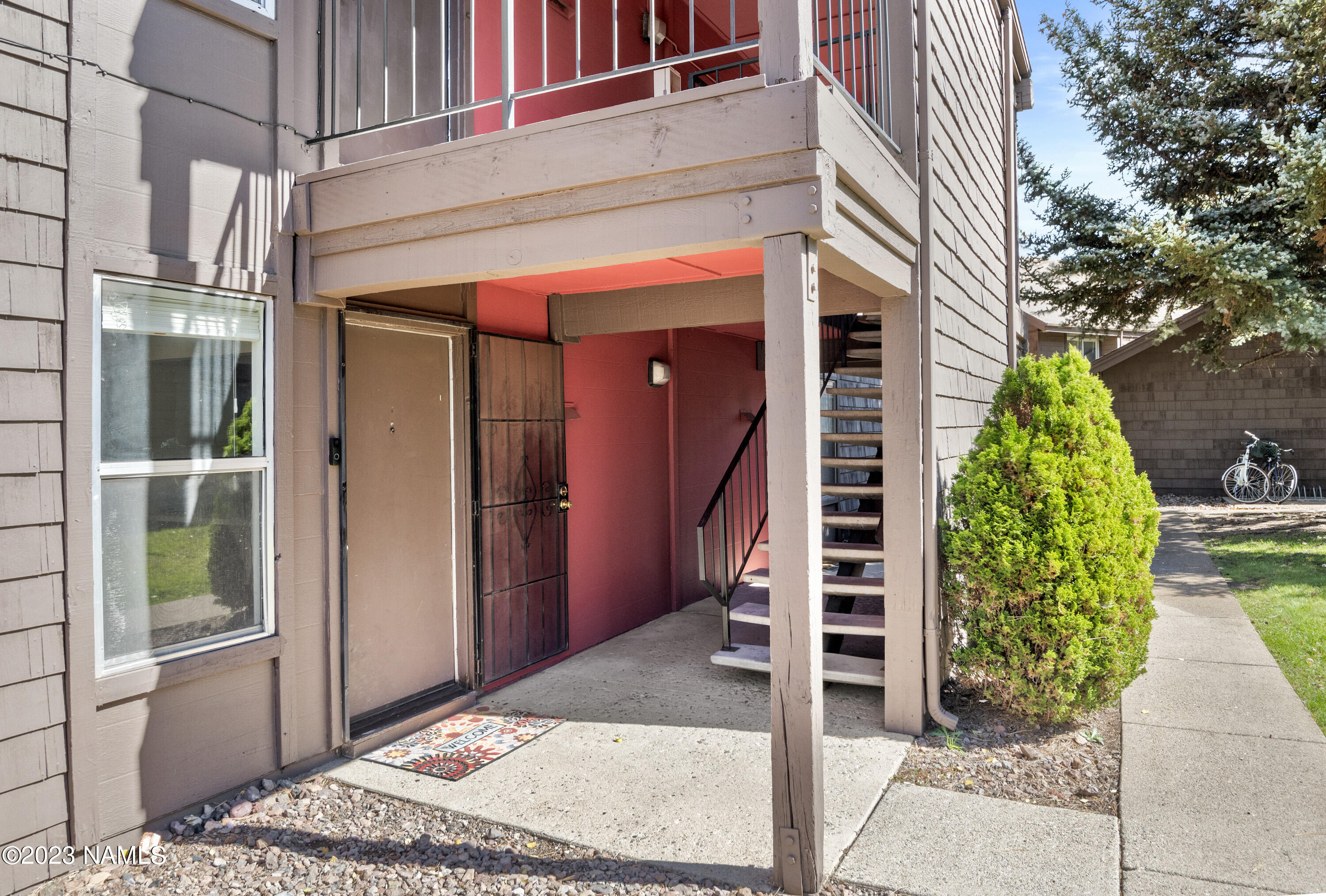
Downtown Flagstaff sits at the geographic and cultural center of the city. Historic Route 66 runs through it. The train depot anchors one end. Leroux Street carries independent restaurants, galleries, and the kind of foot traffic that reminds you this is a real small city, not a resort town wearing one. Housing here is overwhelmingly older, most of it built before 1970, and ranges from bungalows and craftsman-style homes to small apartment buildings and duplexes. It's one of the few places in Flagstaff where you can genuinely walk to a grocery store, a coffee shop, and a live music venue without touching your car. The trade-off is worth naming directly: you'll hear the train. Not occasionally, but regularly. If that's a dealbreaker, it's better to know now than at 2 a.m. on a Tuesday.
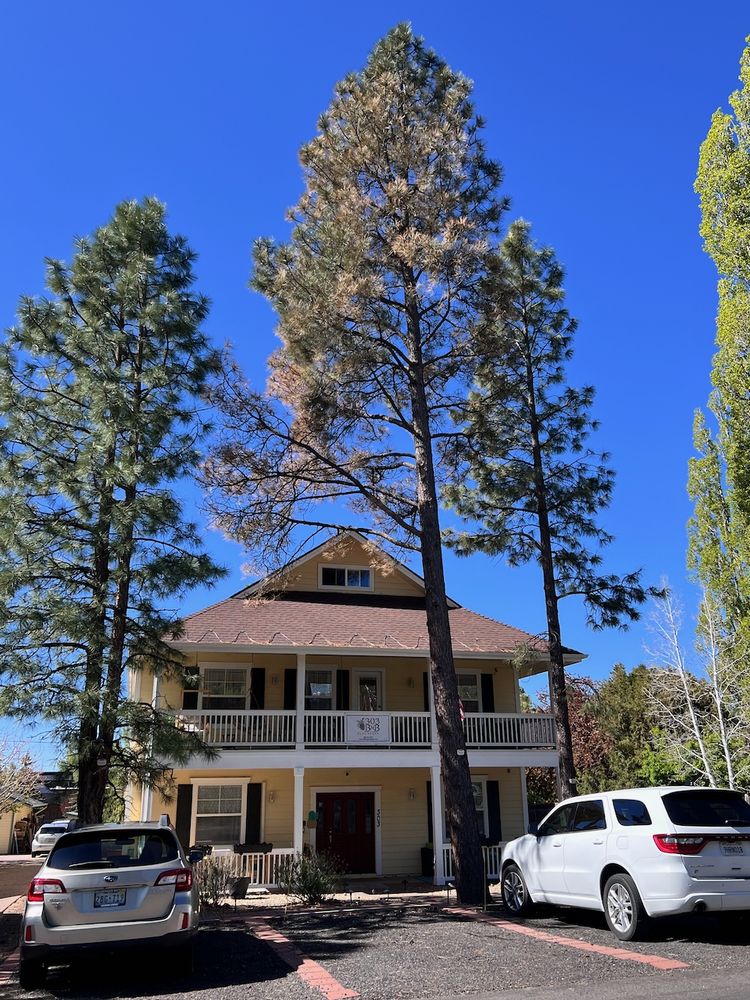
The neighborhoods immediately west and north of the core, what locals often call the Townsite area, have a quieter character while keeping most of the same access. Streets are residential and calm. Grocery access is excellent. Flagstaff High School is close. The housing stock looks similar to downtown proper, but the atmosphere feels more settled. For buyers who want to be close to everything without being in the middle of it, this tends to be a natural landing spot.
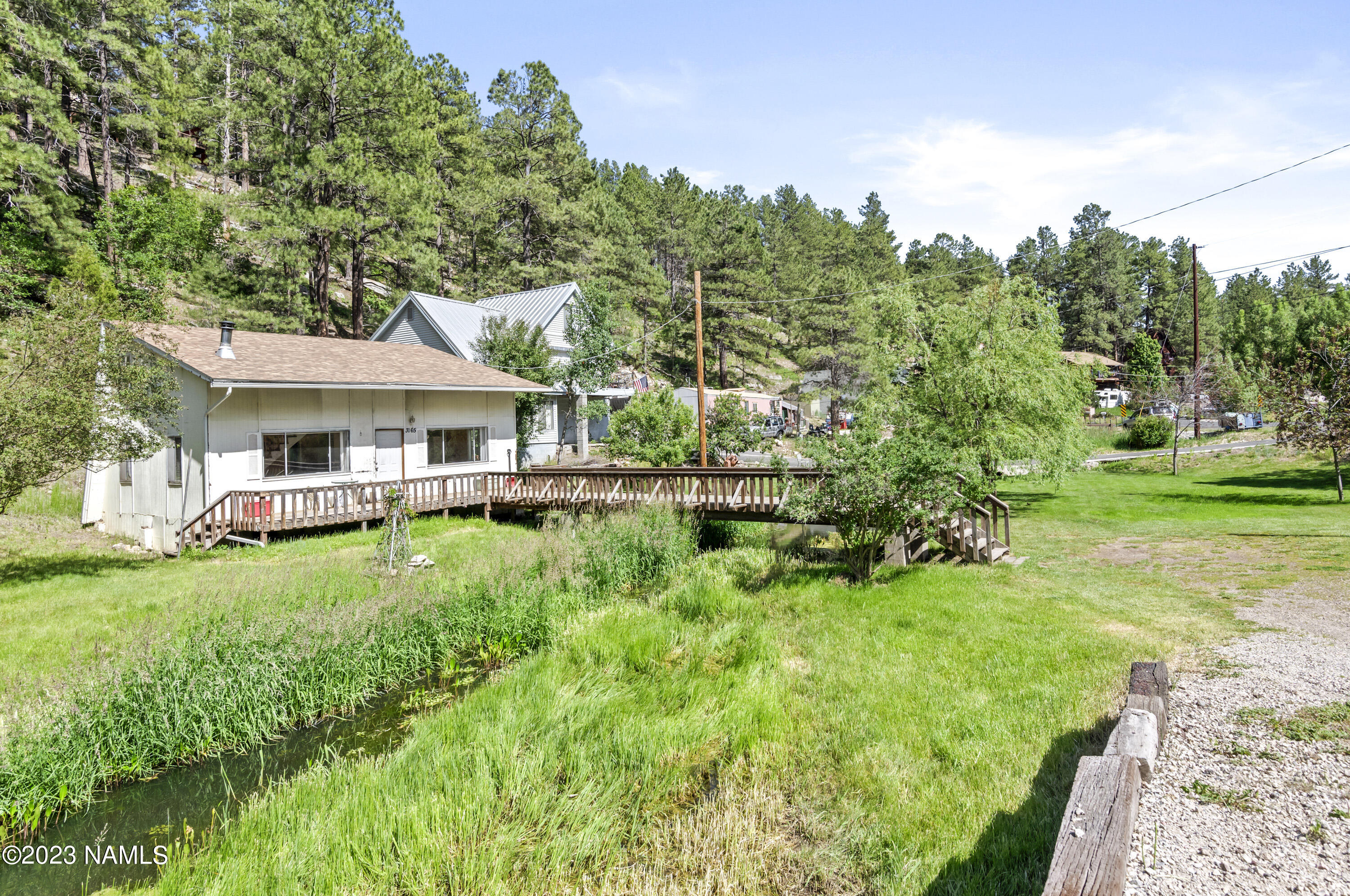
South of the railroad tracks, the neighborhood shifts in ways that matter. Southside and the Brannen Addition area have a more active, younger energy: a higher concentration of NAU students and university-affiliated residents, more foot and bike traffic, more turnover. Cycling infrastructure here is notably strong. The Rio de Flag runs through parts of the area, and while it adds green space, it also carries meaningful flood risk in some locations. FEMA Zone AE designation and statistically significant flood probability before 2050 are worth understanding before making an offer, because they affect insurance costs in ways that can change the math on a purchase.
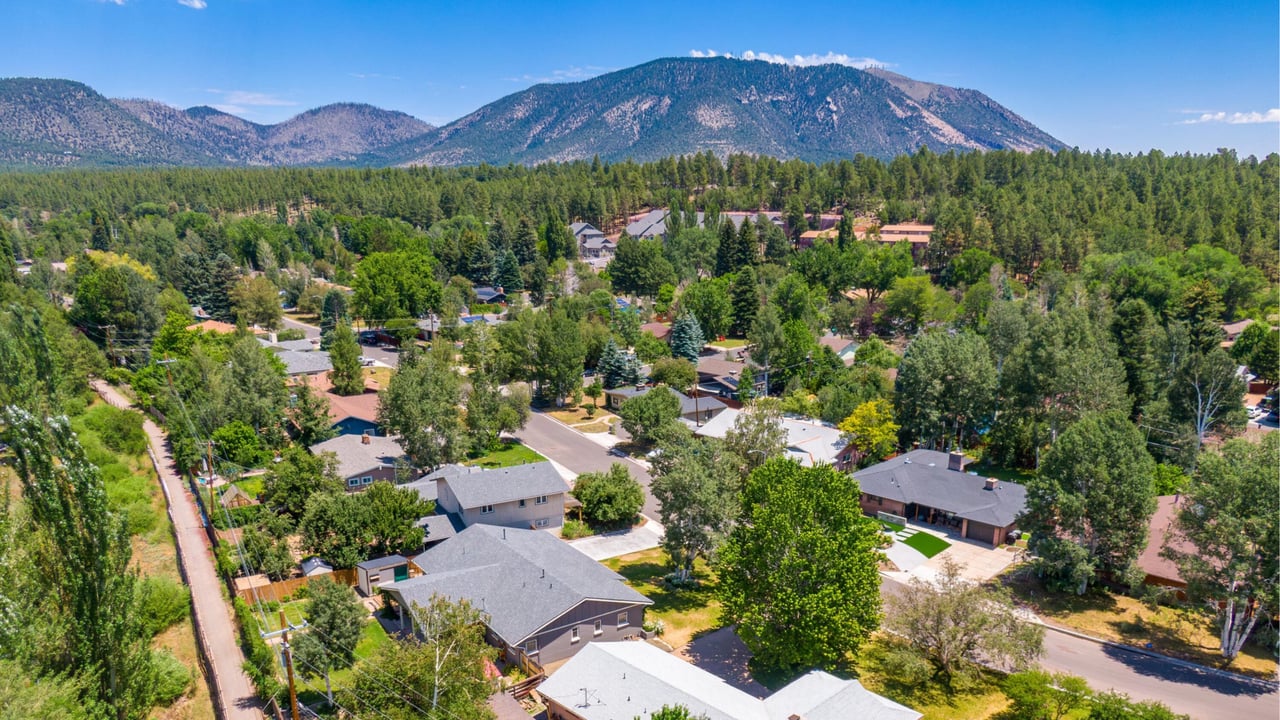
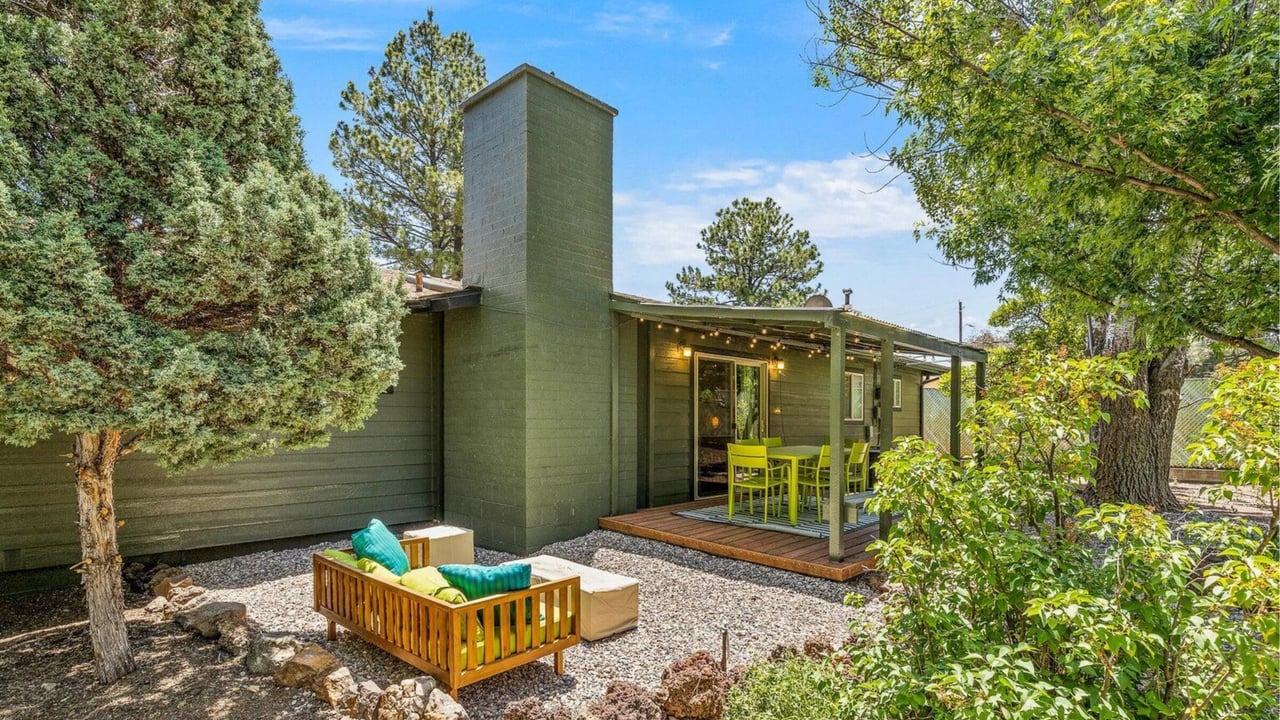
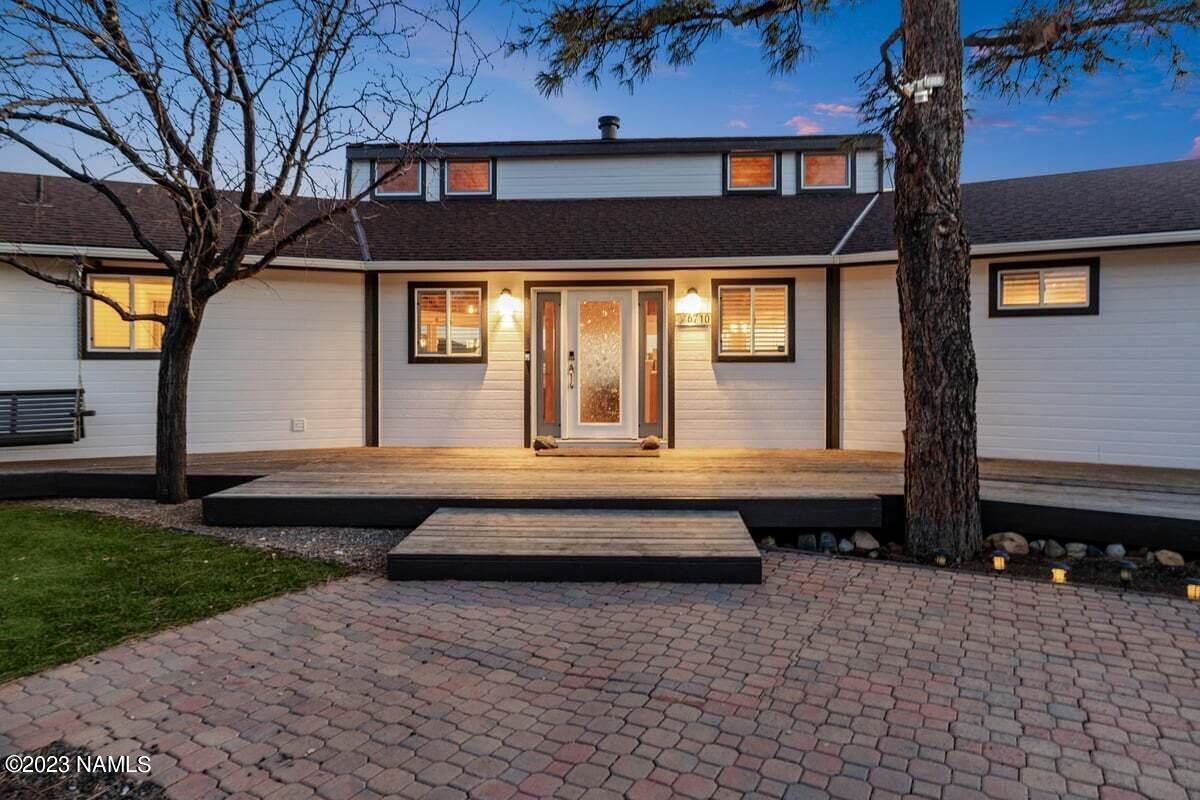
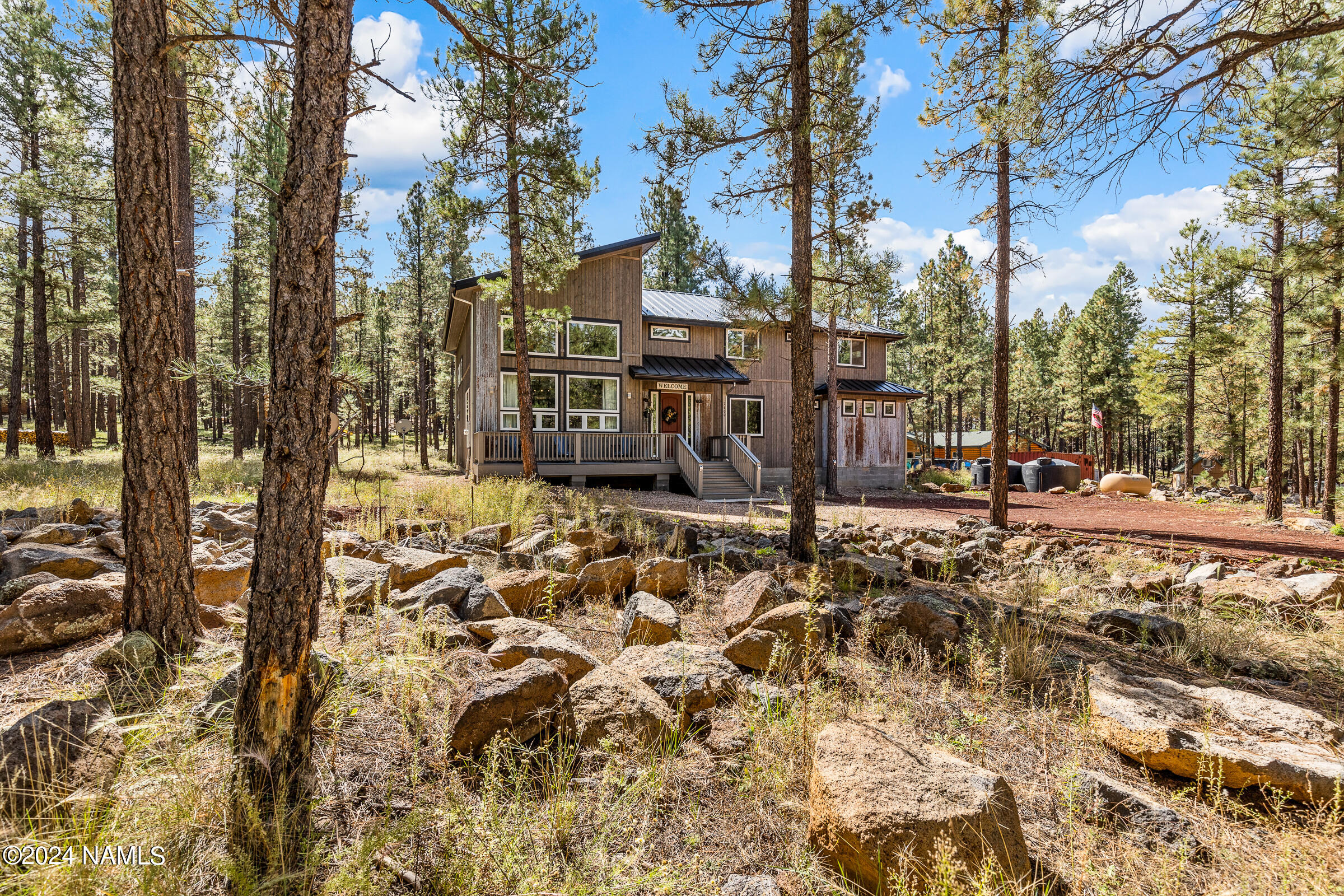
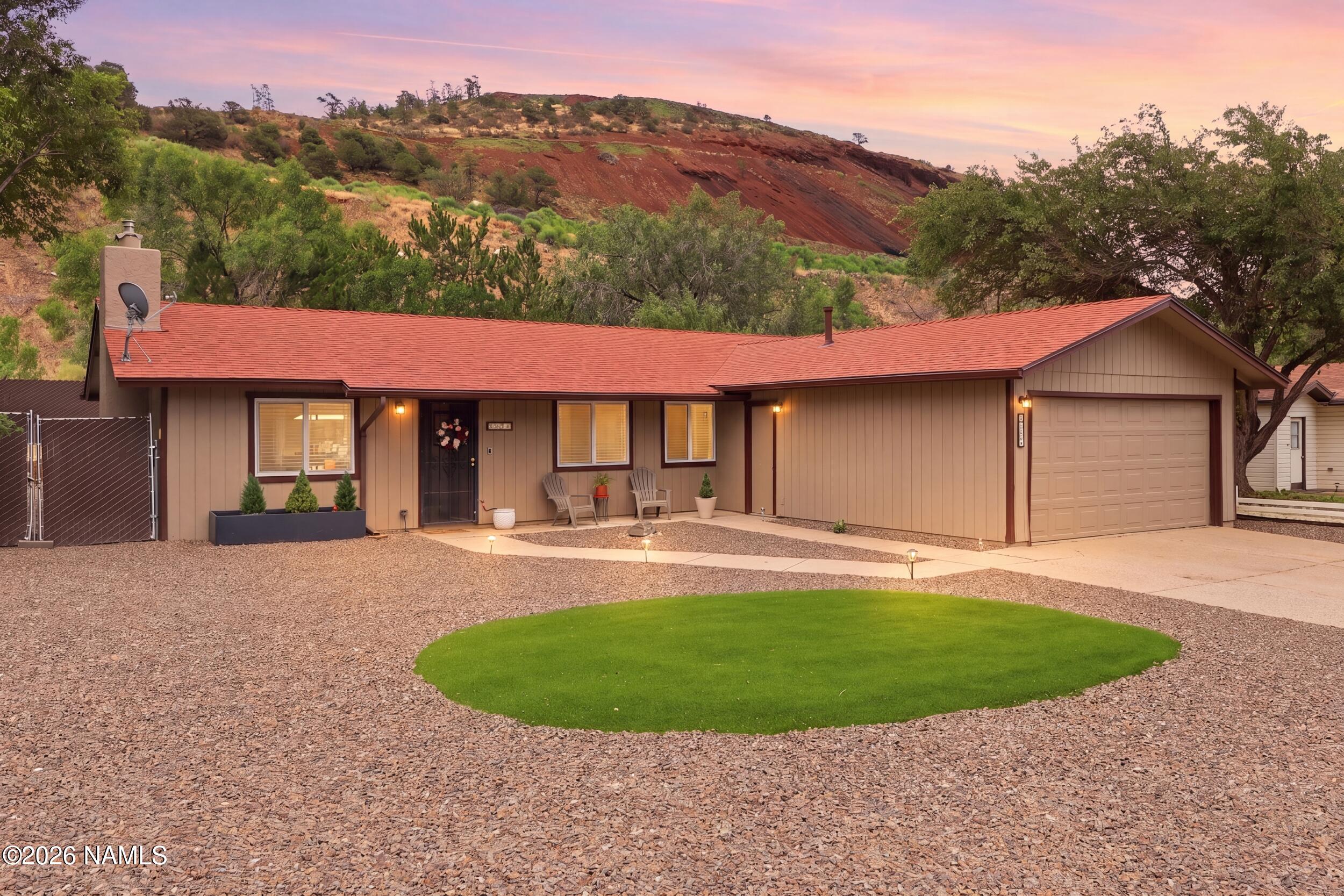
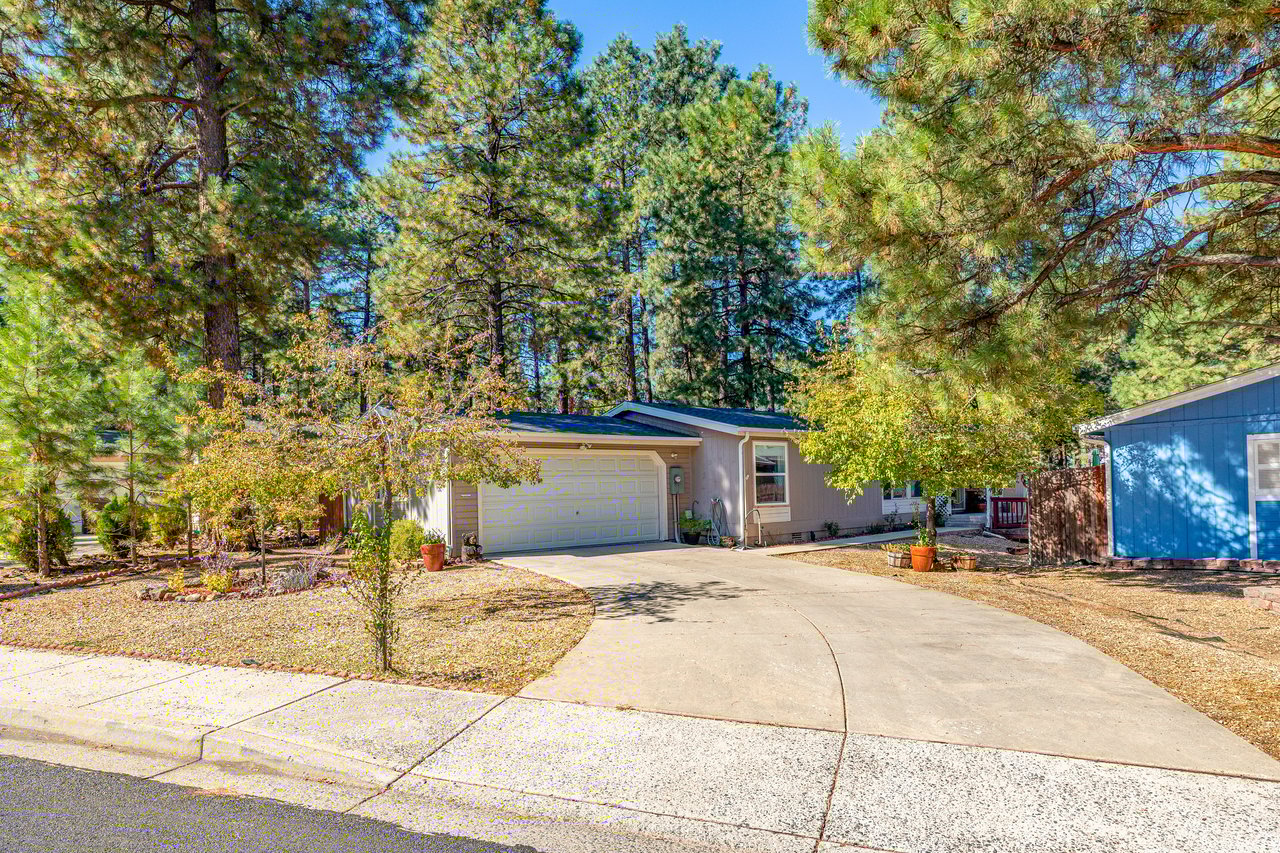
Just north and east of the core, Hospital Hill and Cherry Hill are their own distinct category. Both neighborhoods are significantly quieter than the downtown blocks and consistently score among the highest in the city for low noise levels. Homeownership rates here are among the highest in central Flagstaff, which shapes the feel of the streets in ways that are harder to quantify but easy to sense when you walk them. Homes tend to be larger single-family properties, many built in the 1970s and 1980s, with more space and more stability than you'll find closer to the tracks. Inventory in both neighborhoods is limited. When something comes available, it typically doesn't sit long, and buyers who are serious about this area are better served by monitoring it consistently than by waiting for the right moment.
Across all of these neighborhoods, a few patterns hold. Flagstaff's elevation, just over 7,000 feet, shapes everything from the landscaping to the infrastructure. Homes here deal with real winters, and older construction sometimes reflects that in how it handles cold and moisture. The university presence keeps certain neighborhoods in a perpetual state of rental-market flux, which is relevant whether you're buying to live in or buying as an investment. And the lifestyle that draws most out-of-town buyers to Flagstaff, access to Humphreys Peak, the San Francisco Peaks, the trail system, the dark-sky corridor, the slower pace relative to Phoenix, is genuinely available from all of these locations. You don't need to be in the suburbs to have it.
If you're considering buying in this part of Flagstaff, the most useful thing we can do together is walk the specific blocks you're drawn to, talk through what matters to you practically, and look honestly at what trade-offs each location carries. The data is a starting point. The experience of living somewhere is the thing worth understanding.